
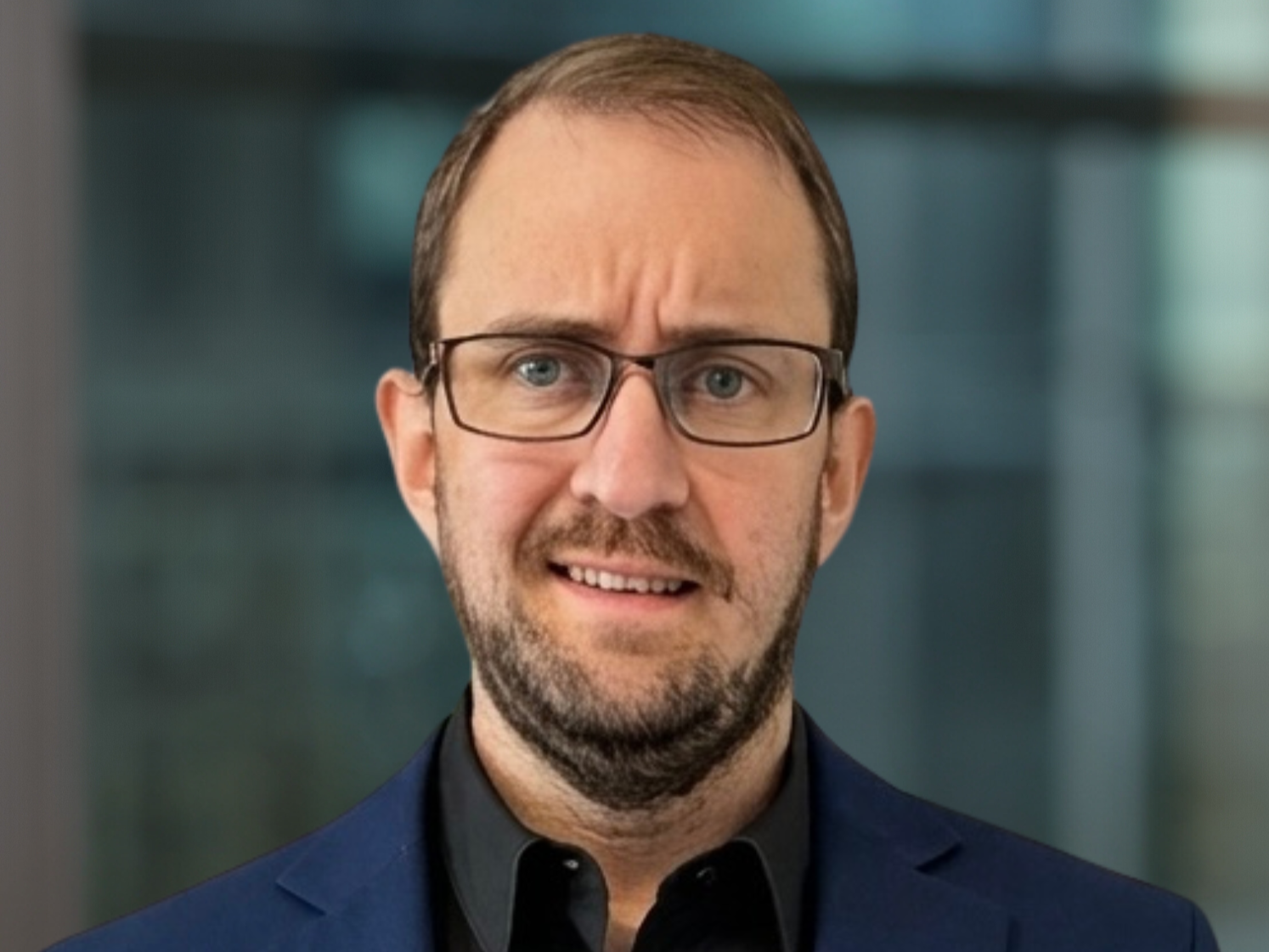
Last month, accountancy and advisory firm Gravita appointed Chris Hawes as head of ethics. As Gravita CEO Lisa Mayhew said, a dedicated ethics role is unusual for a firm of Gravita’s size, so Joe Pickard was keen to hear from Hawes about why the role was created and how it will help with the growth of a business that has already seen rapid recent expansion
The Accountant: Why was the role of the head of ethics created?
Go deeper with GlobalData

Access deeper industry intelligence
Experience unmatched clarity with a single platform that combines unique data, AI, and human expertise.
Chris Hawes: Gravita has experienced significant growth in recent years. It has attracted 1,000 new clients in the last year alone and has welcomed seven firms into the group since 2022. Across the five offices, there are now around 500 employees.
As the business continues to grow, it is essential for us to maintain our standards and apply them consistently at scale. Ethics never stops evolving, and what might have been acceptable many years ago might not be so now, as expectations change over time. With increasing scrutiny, regulation, complexity and client expectations, it is critical that we take ethics seriously.
The reality is that ethics and independence aren’t just regulatory tick-boxes, but rather fundamental contributors to client trust and confidence. Considering that it is rare for firms of our size to invest in a dedicated ethics role, the creation of my role emphasises how seriously we are taking this area of the business.
Lisa Mayhew, CEO, and the rest of the leadership team recognised that, with the firm’s continued growth, Gravita will need the infrastructure and dedicated focus to maintain the standards that our clients expect and that our people – particularly those joining us from acquired firms – deserve.
TA: How will the role of head of ethics help the day to day running of Gravita?
CH: Our focus is on integrating ethical decision making into everyday operations, to help people to always do the right and responsible thing.
Practically, that means strengthening internal guidance and training to enable colleagues to continue making sound judgements on ethical matters.
We are also keen for everyone to know when and how to seek support. We intend to enhance our systems in order to identify potential threats before they become independence issues – the goal is to be proactive rather than reactive.
I view my role as a coach for honesty, offering guidance on the right course of action to take when someone flags potential conflicts or needs help resolving an issue. The aim is to cultivate a culture where doing the right thing feels like the natural path forward.
TA: How will this role help with growth of the business?
CH: Looking to the future, reputation is fundamental to long-term success in professional services. Having a robust, visible ethics function protects the firm by managing risks early. It will help ensure consistency and encourage ambitious growth with confidence by promoting a balanced, proportionate approach to risk that doesn’t compromise integrity.
As a private equity-backed firm, having dedicated expertise means Gravita is better positioned from a regulatory standpoint to navigate the ever-evolving landscape and emerging expectations such as the IESBA guidance on private equity investment that may impact how we are expected to manage our independence and maintain our reputation.
TA: What benefit will this role bring to Gravita’s clients?
CH: Despite this being an internally focused role, clients engage with us because they trust our independence and the quality of our work – a strong ethics function protects that trust.
It means we have robust processes and controls in place to identify and manage independence threats at an early stage. It means colleagues are equipped to make good judgements about potential conflicts. And lastly, it means that the firm operates with the kind of integrity that gives clients confidence – whether they are SMEs, owner-managed businesses, listed companies or larger institutions.
In simple terms, clients will benefit because they can trust that we have integrity and are doing the right thing. At the end of the day, trust is what underpins everything in professional services.