
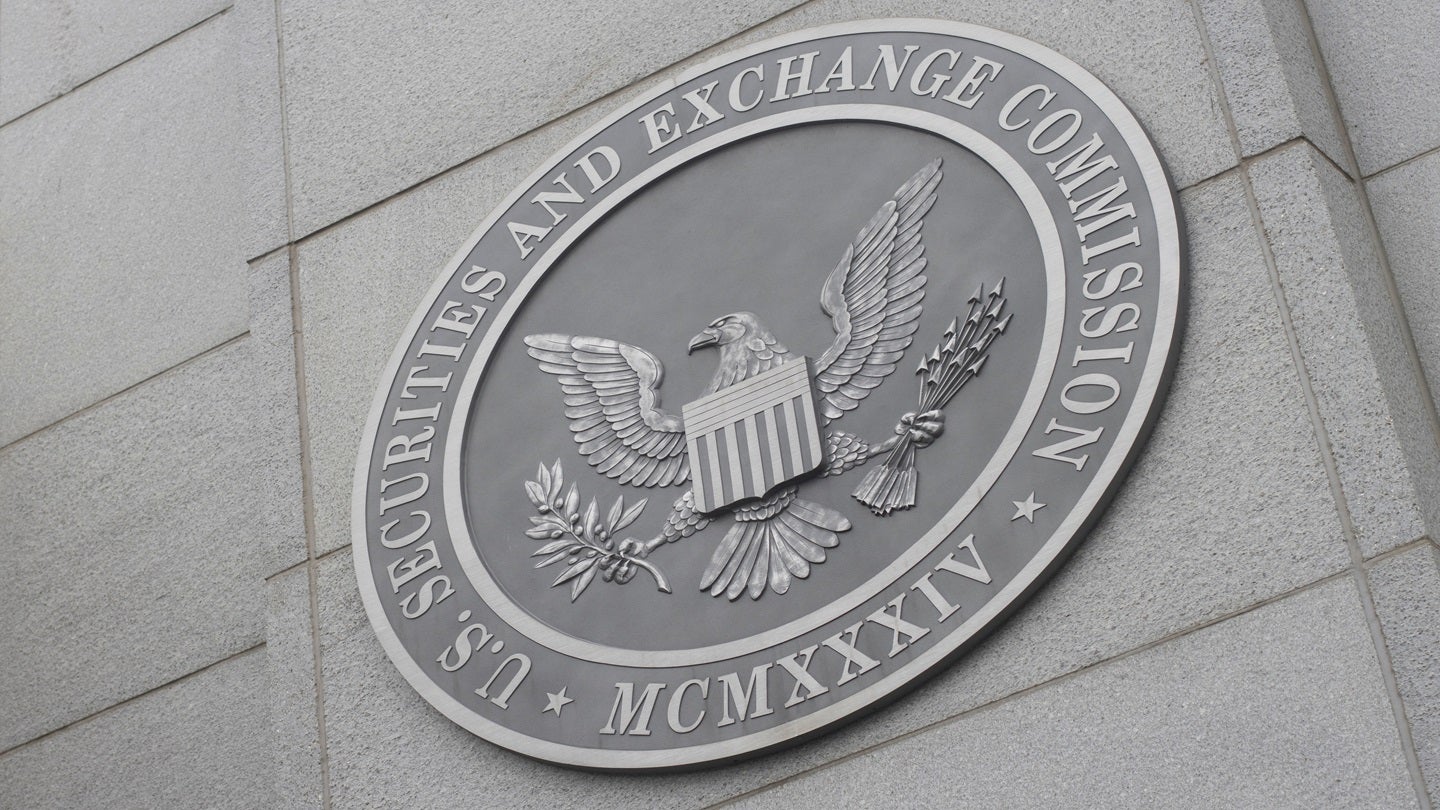
The US Securities and Exchange Commission (SEC) has proposed rescinding “overly burdensome and costly” climate disclosure rules in full, arguing they go beyond its statutory authority and depart from a materiality-based framework.
The Commission says the move is intended to realign its work with its legal mandate and focus disclosure duties on information that is material to investors.
Go deeper with GlobalData


Access deeper industry intelligence
Experience unmatched clarity with a single platform that combines unique data, AI, and human expertise.
SEC chairman Paul S. Atkins said: “SEC disclosure obligations should comply with the Commission’s statutory authority, be guided by materiality as the North Star, avoid the practical effect of dictating corporate behavior, and be imposed only when the expected benefits justify the likely costs and burdens.”
In March 2024, the SEC adopted amendments under the Securities Act of 1933 and the Securities Exchange Act of 1934.
These rules would have required most public companies to provide detailed climate-related disclosures including greenhouse gas emissions, oversight of climate risks and the impact of severe weather on financial statements.
On 4 April 2024, the Commission stayed the rules while multiple legal challenges were consolidated before the US Court of Appeals for the Eighth Circuit. On 27 March 2025, the SEC voted to stop defending the final rules in that litigation.
On 12 September 2025, the Eighth Circuit ordered the consolidated petitions be held in abeyance. The cases were paused while the SEC either reconsidered the rules through notice-and-comment rulemaking or chose to resume its defence.
The SEC is now proposing to revoke the climate regime in its entirety on the basis that it exceeds its statutory remit.
The Commission also stated that, even if it had authority to adopt the rules, it sees separate and compelling policy reasons to withdraw them.
The proposed rescission is open for public comment for 60 days after publication in the Federal Register.
Last month, the SEC proposed wide-ranging rule changes to streamline ongoing reporting by public companies.