
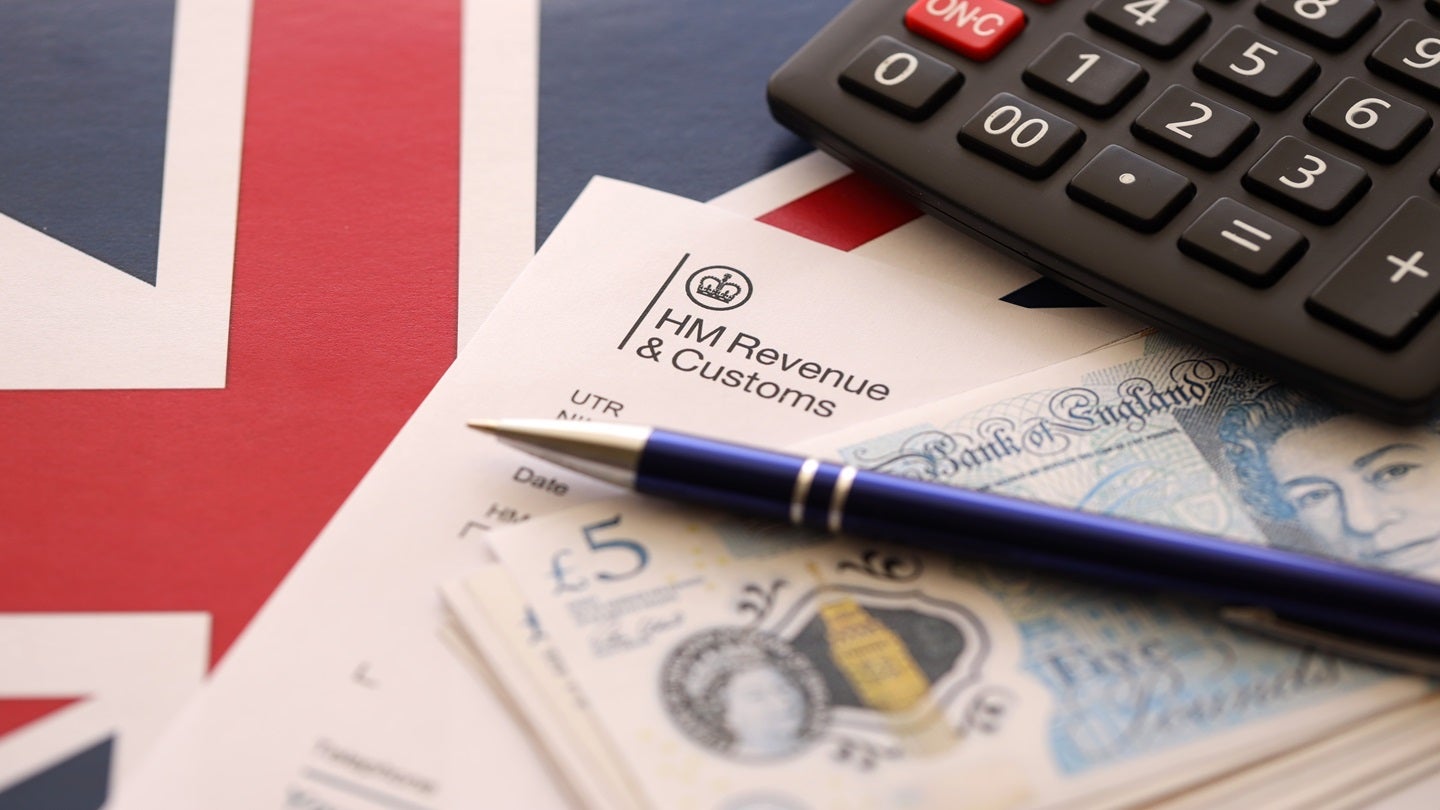
The Institute of Chartered Accountants in England and Wales (ICAEW) has urged pay as you earn (PAYE) taxpayers to check whether they are due a tax refund and submit a claim before the deadline.
The organisation said refunds must be claimed from HM Revenue & Customs (HMRC) within four years of the end of the tax year in which the PAYE was paid.
Smarter leaders trust GlobalData


Access deeper industry intelligence
Experience unmatched clarity with a single platform that combines unique data, AI, and human expertise.
The call comes after 730,000 PAYE refunds went unclaimed last year. The ICAEW said the average repayment was £855, totalling £624m ($845.31m).
Taxpayers who are owed a repayment should receive a P800 tax calculation letter from HMRC, which sets out the amount due. The ICAEW said refunds are no longer processed automatically, so individuals must submit a claim to receive any money owed.
PAYE refers to the tax collected at source from employment and pension income. However, overpayments can arise due to payroll errors or changes in personal circumstances.
The ICAEW said repayments are commonly linked to an incorrect or outdated tax code, or where an individual has not received their full personal allowance for the year.
Overpayment can also occur when someone does not work for the full tax year, changes jobs or changes their working hours. Pensioners may be due a refund if an incorrect state pension figure has been used in their tax code.
Repayments can be claimed through the HMRC app via the bank transfer service in a personal tax account on the HMRC website. Taxpayers can also request a cheque.
Online repayments are typically made within five working days, while cheque repayments can take up to six weeks.
ICAEW tax manager Adelle Greenwood said: “With more than 700,000 people missing out on a total of £624m in tax refunds last year, we would encourage all taxpayers to check whether they are owed money from HMRC.
“To do this, taxpayers will need to check their P800 calculation is accurate and contains all relevant data. You will need your P800 reference number from your most recent tax calculation and your national insurance number to submit a claim.
“The P800 reconciliation occurs after the end of the tax year once the payroll is finalised. While employers cannot claim P800 refunds on behalf of employees, HMRC recently asked them to encourage their employees to check whether they are due a refund and to submit a claim if so.”