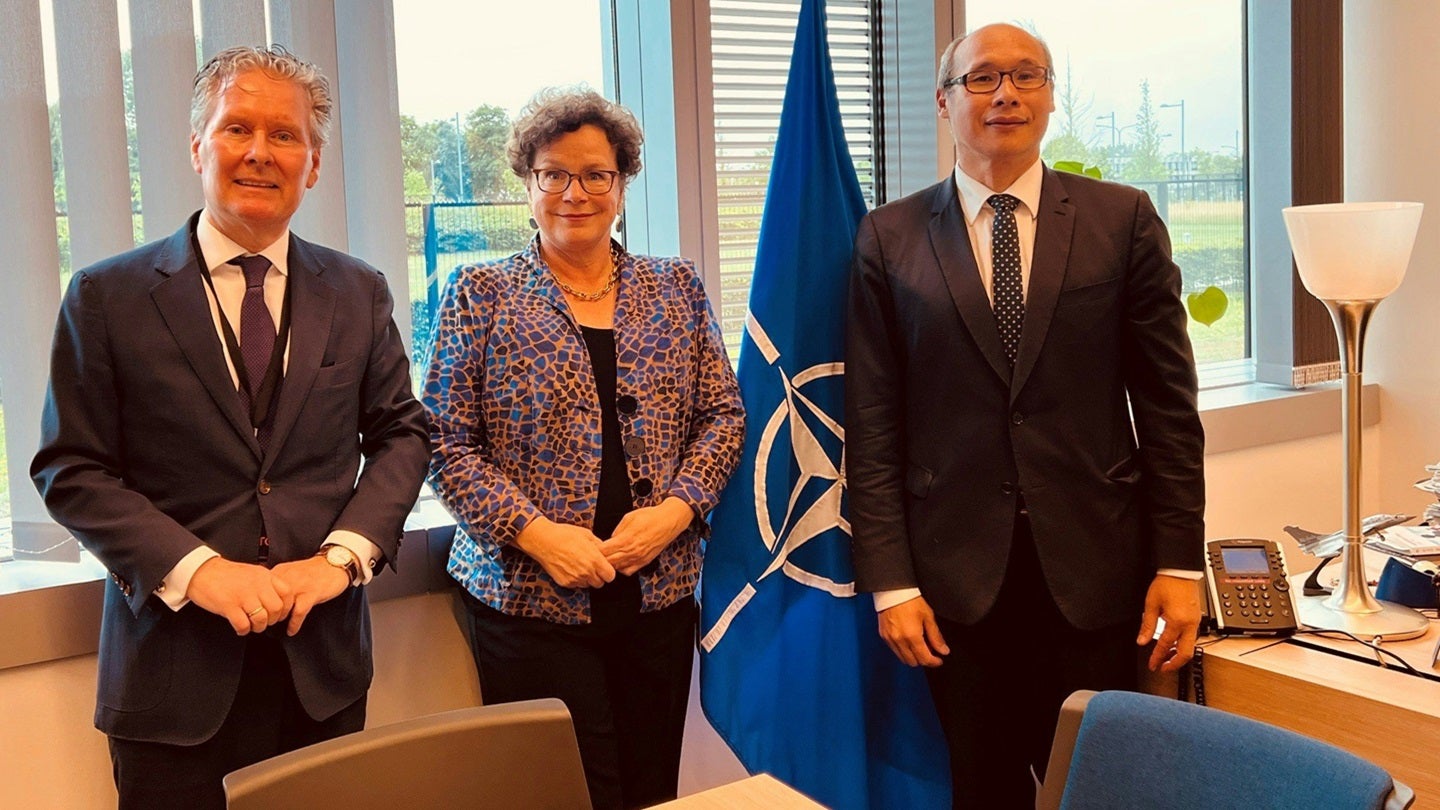
The International Board of Auditors for Nato (IBAN) has signed three new Memoranda of Understanding (MoUs) with the supreme audit institutions of Belgium, Türkiye and the Netherlands, further extending its cooperation network with Allied audit authorities.
The agreements aim to reinforce IBAN’s professional links with national audit institutions across the Nato alliance.
Go deeper with GlobalData


Access deeper industry intelligence
Experience unmatched clarity with a single platform that combines unique data, AI, and human expertise.
They are also intended to encourage knowledge and expertise sharing and to uphold “high standards” in external public auditing and governance.
The first MoU was concluded in Brussels with the Belgian Court of Audit. The signing took place at the Palace of the Count of Flanders, during a ceremony hosted by first president Hilde François.
A second agreement was also signed in Brussels with the Netherlands Court of Audit (Algemene Rekenkamer). The MoU was formalised together with vice‑president Barbara Joziasse.
The third MoU was signed in Ankara with the Turkish Court of Accounts by its president Metin Yener, coinciding with the week of the Nato Summit.
Collectively, the three agreements create a framework for closer collaboration in areas of common interest.
These include the exchange of professional experience and audit methodologies.
The MoUs also prioritise the sharing of best practices and innovation in public sector auditing, alongside efforts in training and capacity building for auditors.
Further areas of focus include cooperation on public financial management, governance and accountability, as well as the promotion of internationally recognised auditing standards.
IBAN chair Sébastien Lepers said: “These cooperation agreements represent much more than institutional partnerships.
“They reflect our shared determination to strengthen professional dialogue, exchange expertise and promote the highest standards of independent public auditing.
“At a time when Nato allies are making historic investments in collective defence and security, effective external audit contributes directly to transparency, accountability and confidence.”