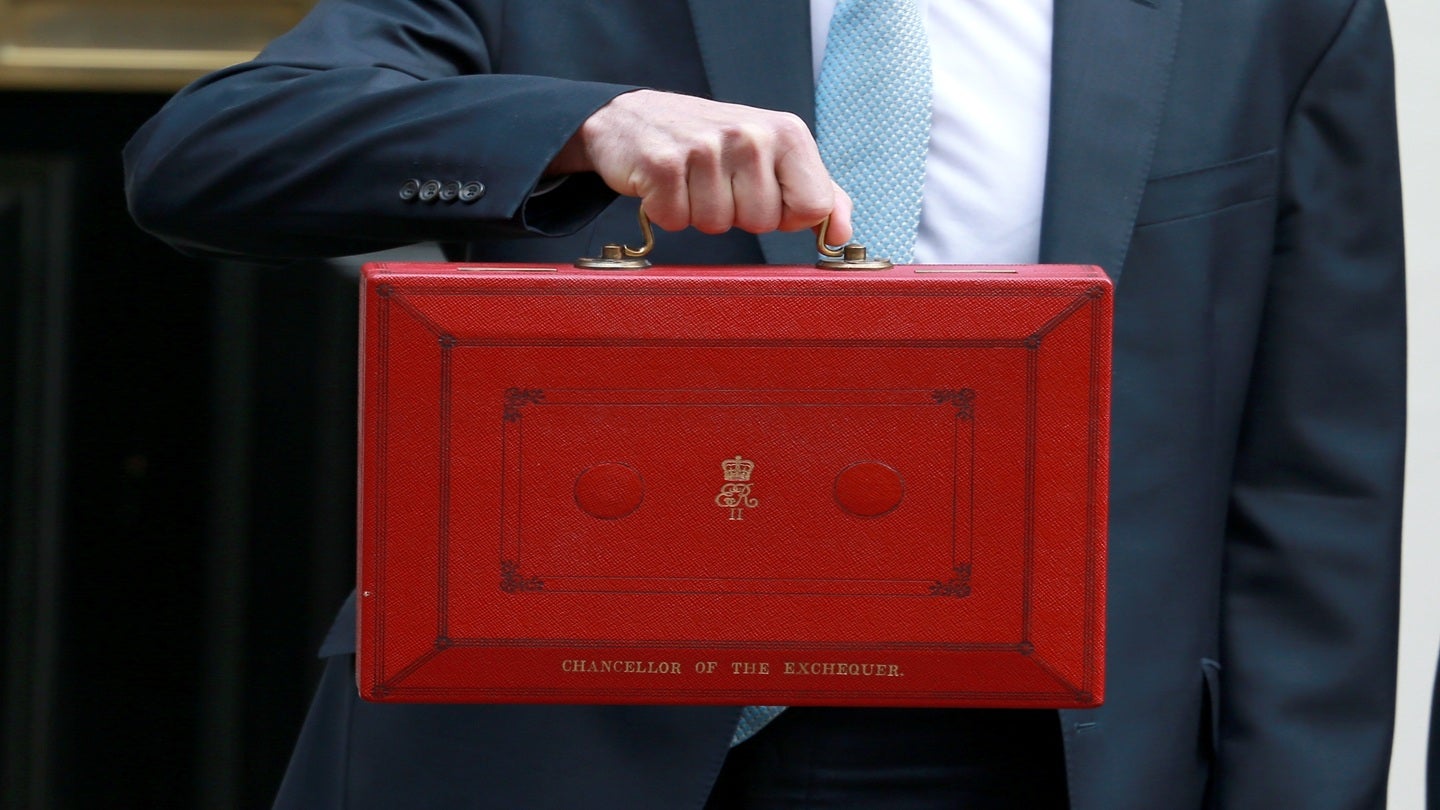
Around two thirds of chartered accountants (CAs) want the UK Chancellor John Healey to focus on establishing a predictable tax environment rather than placing extra strain on commercial enterprises.
According to the Institute of Chartered Accountants of Scotland (ICAS) survey, only 3% of its membership endorses raising taxes on businesses or employers.
Go deeper with GlobalData


Access deeper industry intelligence
Experience unmatched clarity with a single platform that combines unique data, AI, and human expertise.
Tax simplification and certainty emerged as the top priority for long-term economic growth, with 63% of ICAS members including it among their three preferred measures ahead of the budget.
Stabilising state expenditure emerged as the next-highest priority at 58%, while 53% called for action to reduce cost pressures on businesses.
Supporting business investment and raising workforce efficiency each secured backing from 49% of respondents.
Appetite for shifting a heavier fiscal load onto employers is minimal.
Levies linked to consumption or ecological initiatives drew the strongest backing at 28%, closely followed by widening the tax net at 27%.
ICAS members also expressed concern about the wider economic outlook.
More than six in ten ICAS professionals (61%) reported an absence of faith in the condition of the UK economy, whereas merely 9% voiced optimism.
ICAS Tax director Katie Close said: “The message from our members is clear. Businesses and taxpayers need a tax system that is simpler and more predictable, but this budget leaves the chancellor with limited room for manoeuvre if the government is to meet its fiscal rules without adding further pressure to the economy.
“Frequent tax changes make it harder for businesses to plan, invest and create jobs. Holding headline rates steady offers little reassurance if the government instead raises costs through narrower reliefs, sector-specific measures or greater administrative complexity.
“Our members recognise the need for sustainable public finances, but there is almost no appetite for further tax increases on businesses and employers.
“With firms already facing significant cost pressures, the chancellor should assess the combined effect of every measure, including its impact on investment, employment and competitiveness.”