
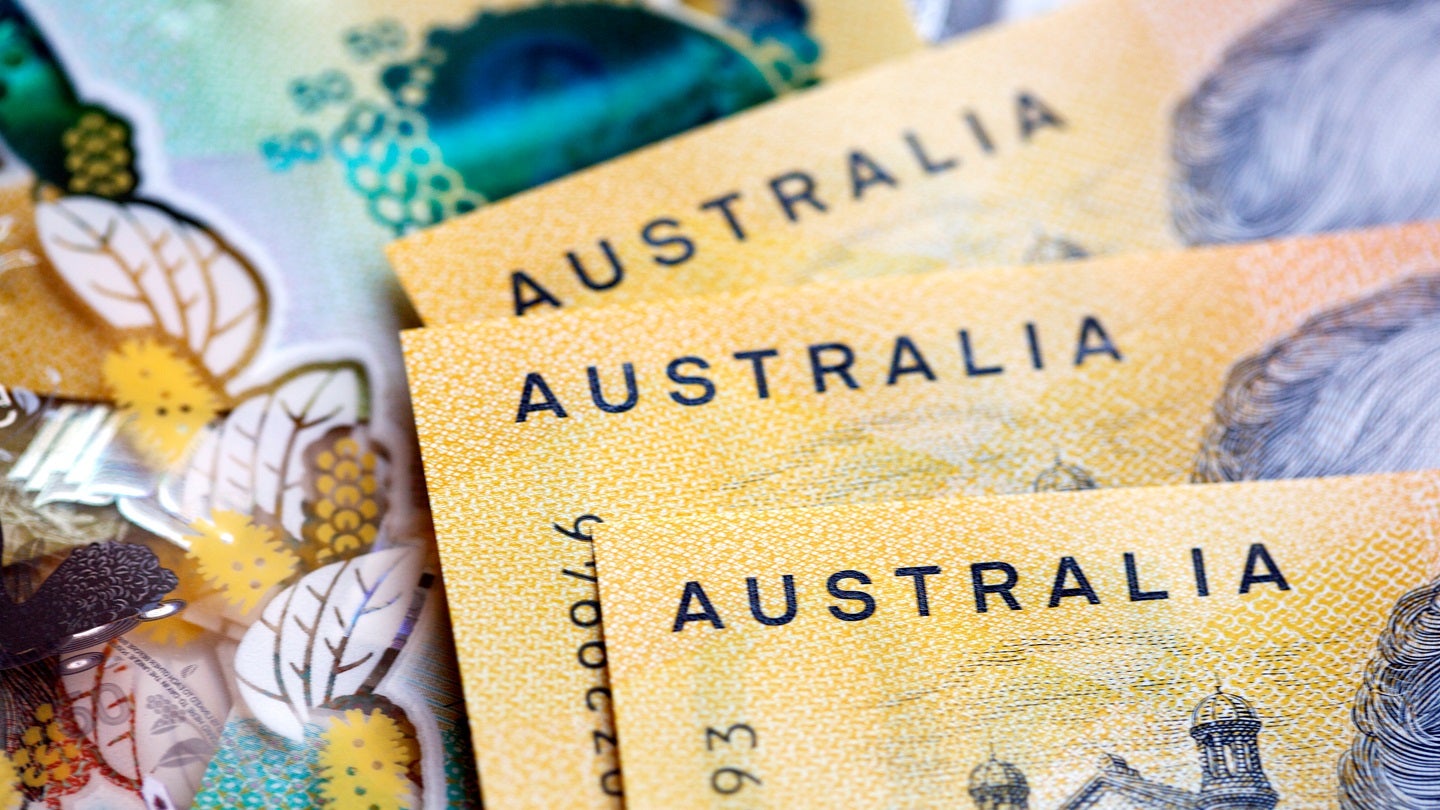
The Institute of Public Accountants (IPA) has said that Australia’s 2026 federal budget relied on “piecemeal” tax fixes.
The accountancy body made the observation after Treasurer Jim Chalmers presented the federal budget on 12 May.
Go deeper with GlobalData

Access deeper industry intelligence
Experience unmatched clarity with a single platform that combines unique data, AI, and human expertise.
It added that the budget falls short of the broader reform needed to lift productivity, encourage investment and strengthen Australia’s long-term fiscal position.
IPA CEO Andrew Conway said: “This Budget opts for short-term wins while leaving the tax settings that drive productivity and long-run growth largely untouched.
“A serious budget should make it easier to invest, easier to grow a business and easier to reward effort. This one stops short of that test.
“Tax choices must be weighed against mounting fiscal pressure. With spending demands rising across health, aged care and disability services, Australia needs policy settings that build resilience and confidence – not more complexity.”
In its budget, the Australian Government announced that it will replace the 50% capital gains tax (CGT) discount with an inflation-based discount and introduce a minimum 30% tax on gains from 1 July 2027.
The changes are designed to ensure investors are taxed only on real gains after inflation.
The reforms will apply only to gains that accrue from 1 July 2027. Investors in newly built properties will be able to opt to keep the existing 50% discount or move to the new arrangements.
Conway added: “With respect to capital gains tax, any change should be considered as part of a broader and coherent package, particularly where investment settings affect housing, business formation and the flow of capital across the economy.
“Tax policy should remain as neutral and simple as possible so that investment is directed to its most productive use.”
The government also announced that it is cutting taxes for working Australians.
It is introducing a A$250 Working Australians Tax Offset from 2027–28, delivering an ongoing annual tax cut for more than 13 million Australian workers. The measure comes in addition to the three tax cuts already legislated and the proposed $1,000 instant tax deduction.
“On the proposed A$1,000 standard deduction for work-related expenses, the measure will benefit some taxpayers, but clear communication will be essential because it is a deduction from taxable income rather than a cash refund, and many workers with higher legitimate expenses may still be better off claiming under the existing rules,” Conway stated.