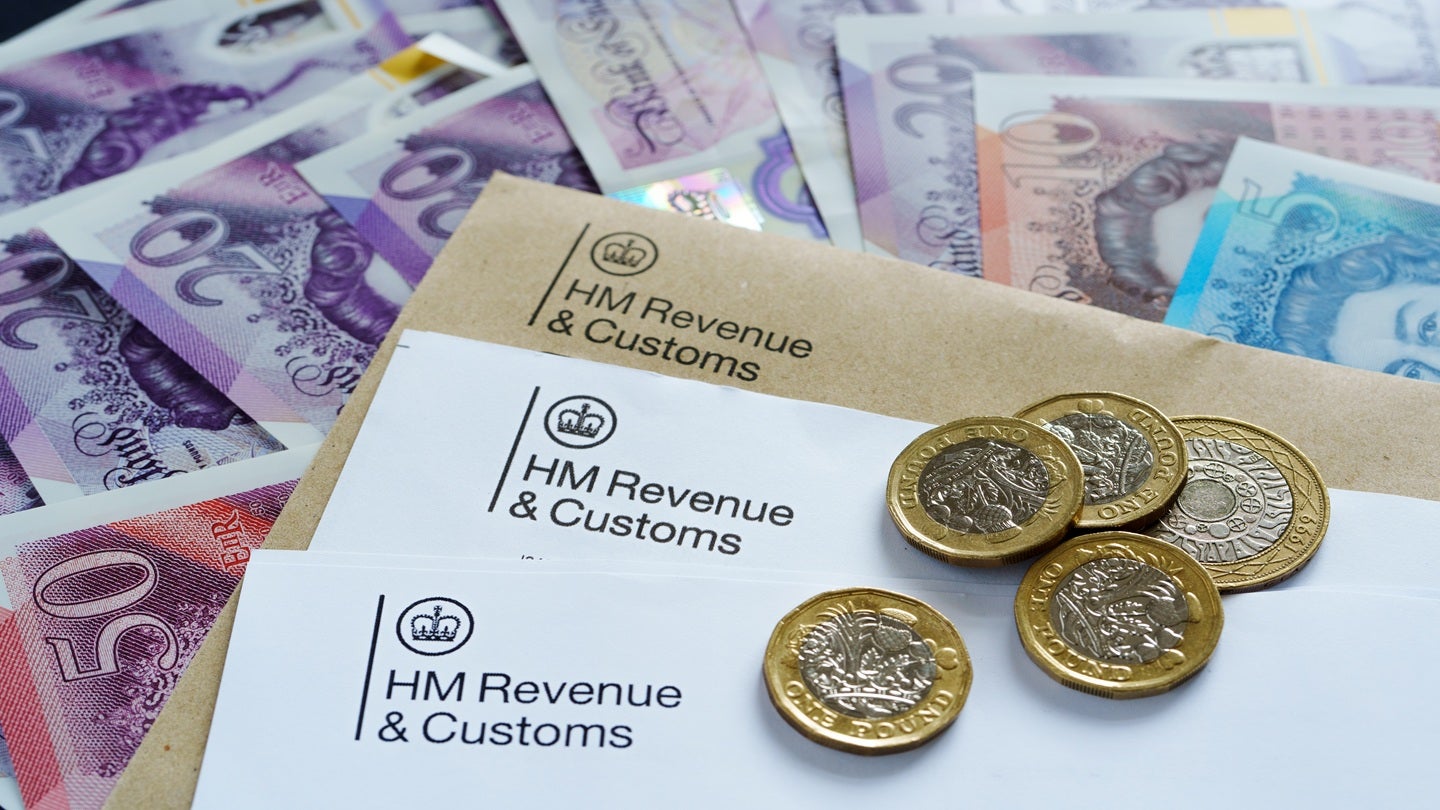
The Institute of Chartered Accountants in England and Wales (ICAEW) has issued advice for the 1.8 million taxpayers expected to receive a simple assessment letter from HMRC.
Simple assessment letters, also known as PA302s, are issued to taxpayers outside the self-assessment system who have underpaid tax during the previous year and whose outstanding liability could not be recovered through pay as you earn.
Go deeper with GlobalData


Access deeper industry intelligence
Experience unmatched clarity with a single platform that combines unique data, AI, and human expertise.
The system is commonly used to collect tax on income such as the state pension and interest earned from banks and building societies.
HMRC is expected to send 1.8 million simple assessment letters for the 2025/26 tax year. This compares with 675,000 letters issued five years ago.
The increase has been linked to the income tax personal allowance remaining frozen at £12,570 ($16,800), changes to state pension payments under the triple lock and higher interest rates since the Covid-19 pandemic.
Some taxpayers and pensioners have already received their letters, the ICAEW said.
A further batch, covering information on bank and building society interest, is due to be sent between October and December 2026.
The deadline for paying a simple assessment bill for 2025/26 is 31 January 2027, unless the letter specifies another date.
The chartered accountancy body has advised recipients to contact HMRC if they believe the calculation is incorrect, should be withdrawn, or if they have questions about the assessment.
ICAEW tax technical manager Katherine Ford said: “With a large uptick in the number of taxpayers receiving simple assessment letters, we would urge anyone who receives a letter to check it carefully and to contact HMRC if they have queries, believe the letter contains an error, or think it should be withdrawn.”
Last month, the ICAEW warned that government proposals to establish a criminal offence for “recklessly making statements or declarations in tax affairs” risk creating confusion among taxpayers and deterring voluntary disclosures.