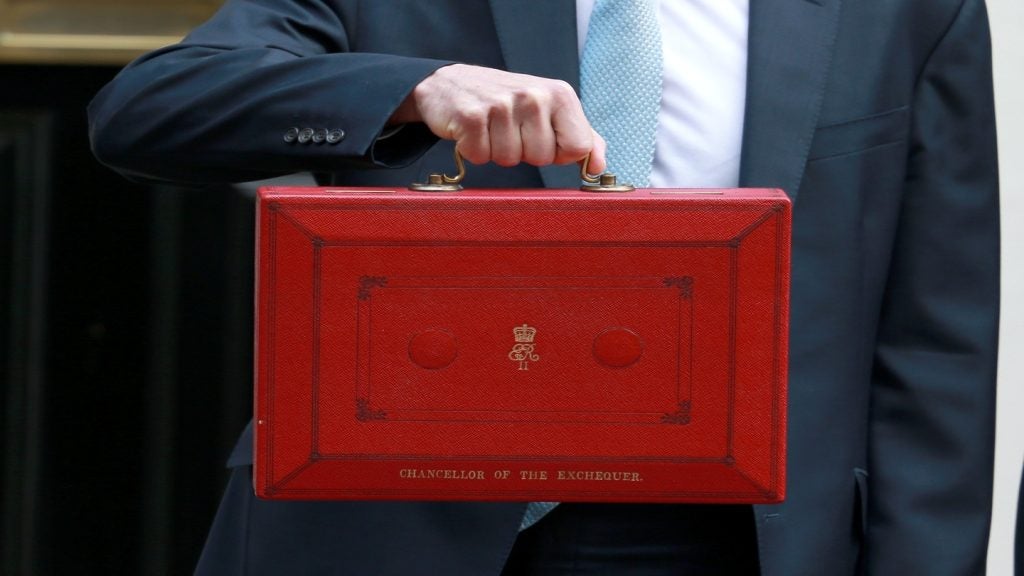
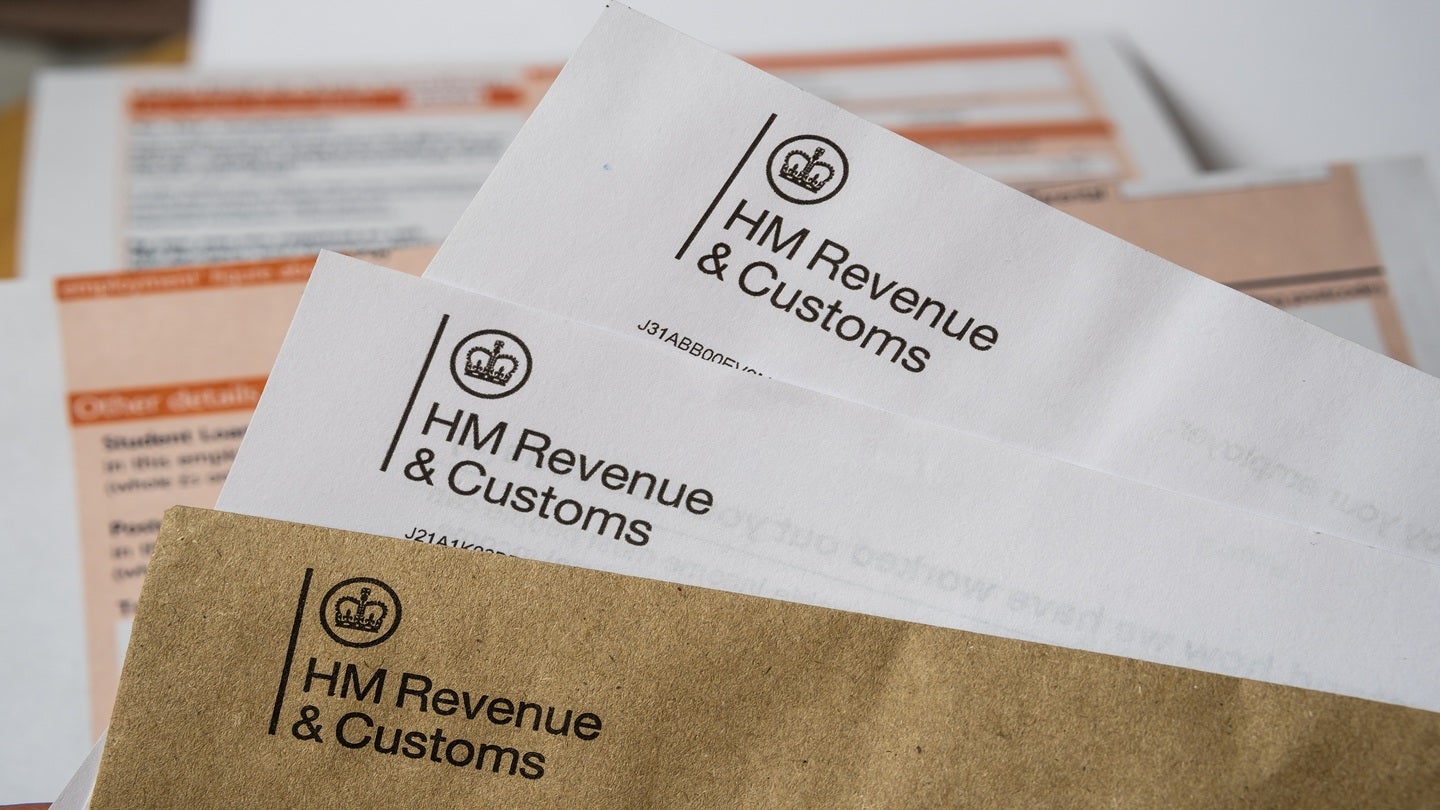
HM Revenue and Customs (HMRC) in the UK is set to conduct individual checks on more than 100,000 calculations following grievances from individuals who were allegedly billed excessive amounts of tax, the Telegraph has reported.
The problem originates from an ongoing software defect within the revenue body’s IT infrastructure that misallocates savings and income allowances.
Go deeper with GlobalData


Access deeper industry intelligence
Experience unmatched clarity with a single platform that combines unique data, AI, and human expertise.
Although HMRC acknowledged calculation faults in 2021 after receiving initial reports from taxpayers, a permanent technical remedy has not been put in place, the report added.
Consequently, officials must scrutinise thousands of files annually so eligible individuals receive their full allowance entitlements.
For the 2025–26 tax period, the department plans to examine 107,000 returns flagged as potentially inaccurate.
As the audit remains under way, HMRC stated that the final total of statements requiring adjustment prior to distribution cannot yet be verified.
UK regulations governing “beneficial ordering” dictate that personal allowances must be set against income streams in a manner that minimises the individual’s overall tax liability.
The arrangement required to achieve this lowest charge differs according to each person’s financial position.
HMRC anticipates that the volume of returns requiring individual scrutiny will decline in the subsequent tax year as tax rates on property earnings, dividends and interest rise.
This drop is due to a rule change that requires tax allowances to be applied to other income sources first, before being used on property, savings and dividend income.
An HMRC spokesman was quoted by the Telegraph as saying: “We take extensive action to identify the minority of customers who may be affected and update their tax calculations as needed to ensure they pay the right tax.
“The number of calculations requiring a manual check is expected to fall to around 20,000 next year.”