
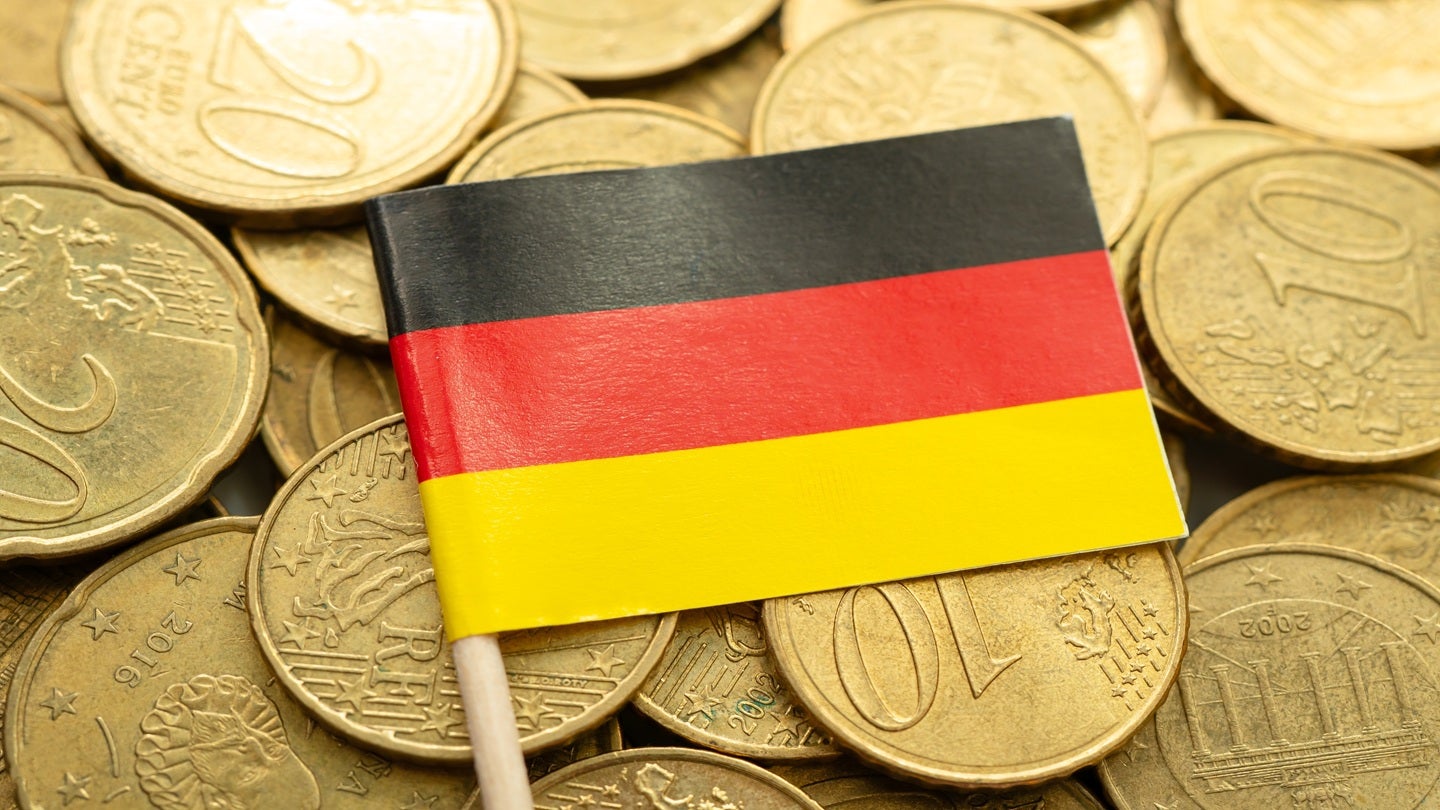
Germany has approved a tax cut of nearly $11.6bn (€10bn) to increase take-home pay for low and middle-income families, especially those with children, Reuters reported.
The changes will be rolled out in stages, reaching full effect by 2028, the news agency added, quoting the finance ministry.
Go deeper with GlobalData

Access deeper industry intelligence
Experience unmatched clarity with a single platform that combines unique data, AI, and human expertise.
German Finance Minister Lars Klingbeil said a middle-income family with two children could expect more than €600 in additional annual income once the measures take full effect.
Klingbeil was quoted by the news agency as saying: “We are providing relief to families with children. We are ensuring that a little more is left at the end of the month.”
Monthly child benefit will increase from the current €259 per child to €267 in 2027, then rise further to €272 in 2028.
The basic tax-free allowance will also increase from its current level to €12,564 in 2027 and then to €12,900 the following year.
To help fund the initiative, the cabinet plans to raise taxes on high earners.
The existing 45% top tax rate will now apply starting at €250,000 in taxable income. A new 47% rate will be introduced for annual earnings above €280,000.
Klingbeil’s Social Democratic Party has labelled this a “super-rich tax”.
Factoring in the offsetting revenue measures, the government expects a tax shortfall of €1.55bn this year.
Business organisations have reacted critically to the plan, the report added. The German Chamber of Commerce and Industry also raised concerns about the burden that it will place on businesses.