
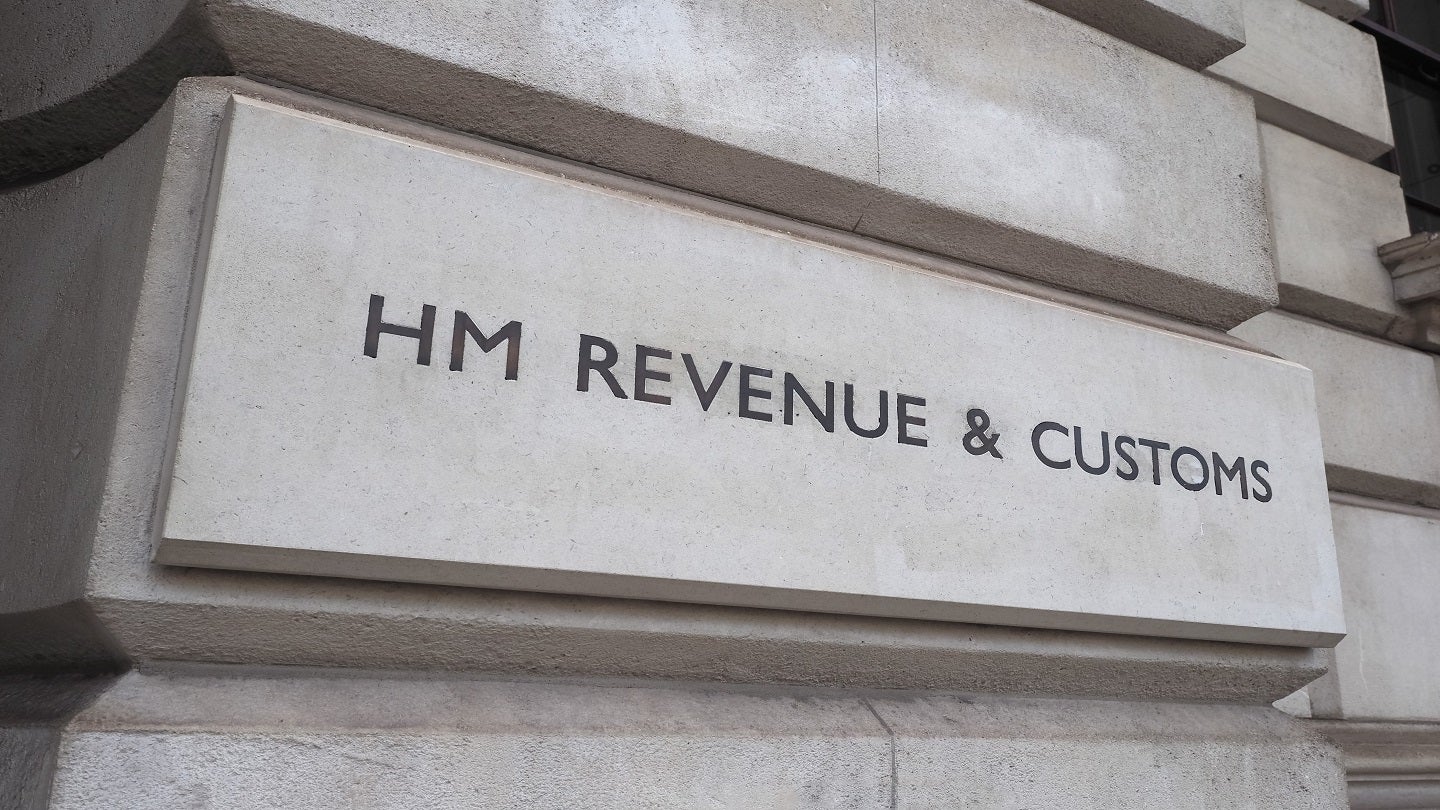
A tribunal in the UK has instructed HM Revenue & Customs (HMRC) to clarify whether AI was involved in the decision-making process for the denial of research and development (R&D) tax credit applications.
This decision stems from a Freedom of Information (FOI) request made by tax adviser Tom Elsbury in December 2023.
Go deeper with GlobalData


Access deeper industry intelligence
Experience unmatched clarity with a single platform that combines unique data, AI, and human expertise.
Elsbury and others had identified patterns in the rejection letters from HMRC that led them to suspect the involvement of AI in the evaluation of R&D tax credit claims.
Initially, HMRC rejected the FOI request, arguing that revealing such information could potentially facilitate fraudulent activities. This stance was also backed by the Information Commissioner’s Office (ICO) in 2024.
The tribunal, however, overturned the previous decisions, stating that the public interest leans towards transparency in this context.
Judge Alexandra Marks characterised Elsbury’s arguments as “compelling” and affirmed the public’s entitlement to know if AI is being utilised in tax-related decisions.
US Tariffs are shifting - will you react or anticipate?
Don’t let policy changes catch you off guard. Stay proactive with real-time data and expert analysis.
By GlobalDataThe ruling indicated that HMRC’s refusal to confirm or deny the use of AI in assessing R&D claims could damage public trust in the tax system.
Elsbury, who established the R&D tax relief software platform Novel, highlighted the need for clarity regarding the safeguards in place and the implications of AI on decision-making processes.
Concerns were also raised about the potential use of publicly available large language models, such as ChatGPT, by HMRC staff when reviewing R&D claims.
Elsbury cautioned that the application of such tools could risk exposing sensitive commercial information, particularly in areas related to national security.
R&D tax relief claims may include information about advanced weapon systems developed for the UK Ministry of Defence, and the inadvertent disclosure of such data through AI platforms could have serious implications.
In recent years, HMRC has intensified scrutiny of R&D tax credits due to increasing instances of fraud and errors.
While the agency has taken measures to address misuse of the system, some professional organisations and tax advisers have expressed concerns that its approach may be excessively stringent, leading to the rejection of valid claims and discouraging businesses from seeking relief.
The tribunal has given HMRC a deadline of 18 September 2025 to comply with the order for disclosure.