
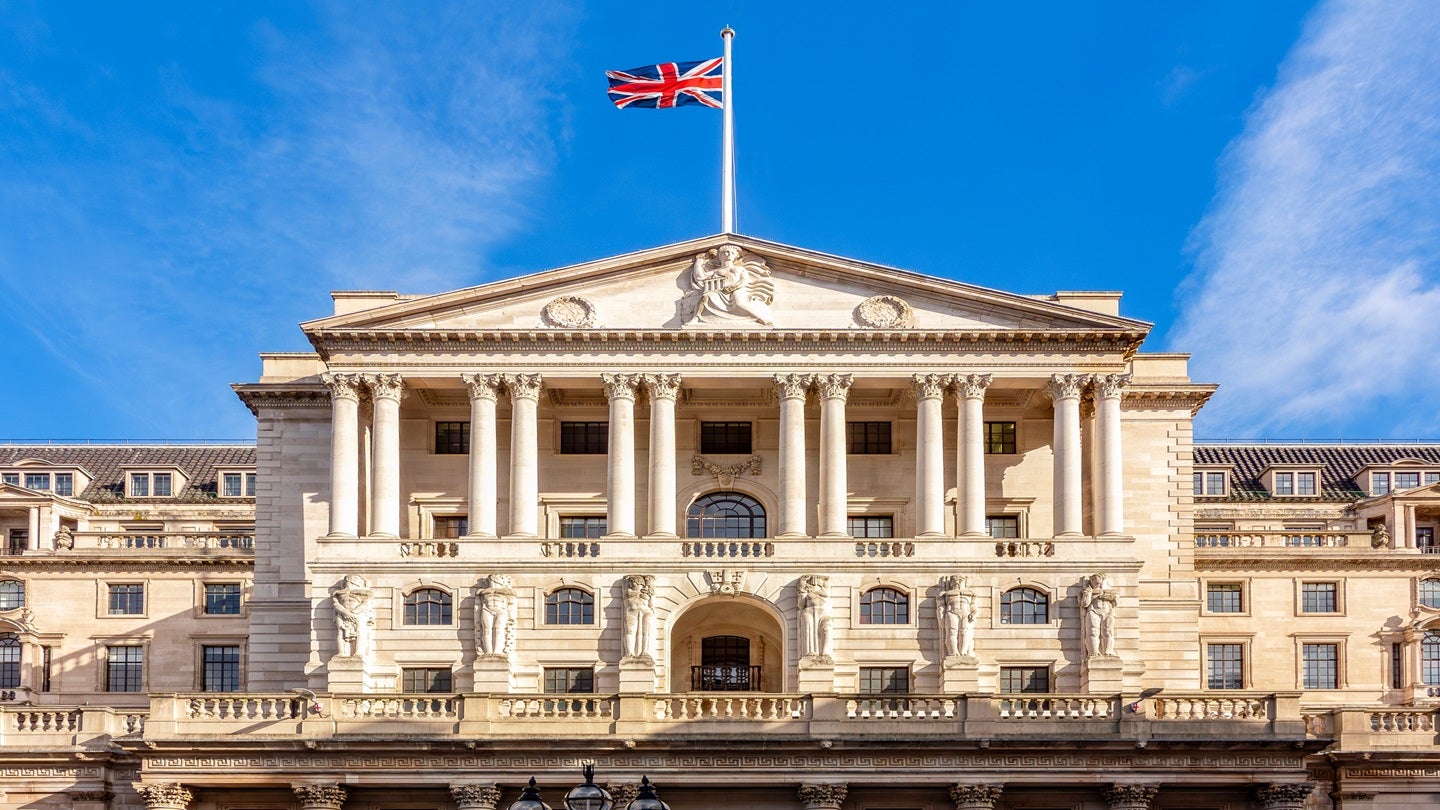
The Institute of Chartered Accountants in England and Wales (ICAEW) has said the Bank of England’s (BoE) decision to hold rates at 3.75% points to a slow route to lower borrowing costs, despite a more dovish inflation outlook.
The central bank kept the rate unchanged after inflation rose to 3.4% in December.

Access deeper industry intelligence
Experience unmatched clarity with a single platform that combines unique data, AI, and human expertise.
The Monetary Policy Committee backed the decision by a 5–4 margin.
Four members supported a 0.25 percentage-point reduction, which would have taken the rate to 3.5%.
The decision comes after the BoE cut rates in December 2025, reducing the base rate from 4% to 3.75%. That move followed a bigger-than-expected fall in November inflation to 3.2%.
While inflation remains above the bank’s 2% target, the BoE said it expects inflation to return to around that level from April. It cited energy price developments, including those linked to budget 2025.
US Tariffs are shifting - will you react or anticipate?
Don’t let policy changes catch you off guard. Stay proactive with real-time data and expert analysis.
By GlobalDataICAEW economics director Suren Thiru said: “Keeping interest rates on hold will feel like a disheartening setback for those businesses battling against spiralling cost pressures and people struggling with onerous mortgage costs, especially after another difficult budget.
“Though the Bank’s forecast of lower inflation suggests that more interest rate cuts are coming, this latest decision confirms that the pace of easing will remain painstakingly cautious with policy already close to its neutral rate.
“Though the vote split confirms that the rate-setters remain deeply divided, if inflation falls as the Bank now expects then there should be a decisively dovish shift within the committee in the coming months, meaning more rate cuts are likely.
“Rate-setters look likely to opt for two interest rate cuts this year, possibly in April and July, while keeping a third reduction in their back pocket to deploy if the economy fares worse than the Bank forecasts.”