
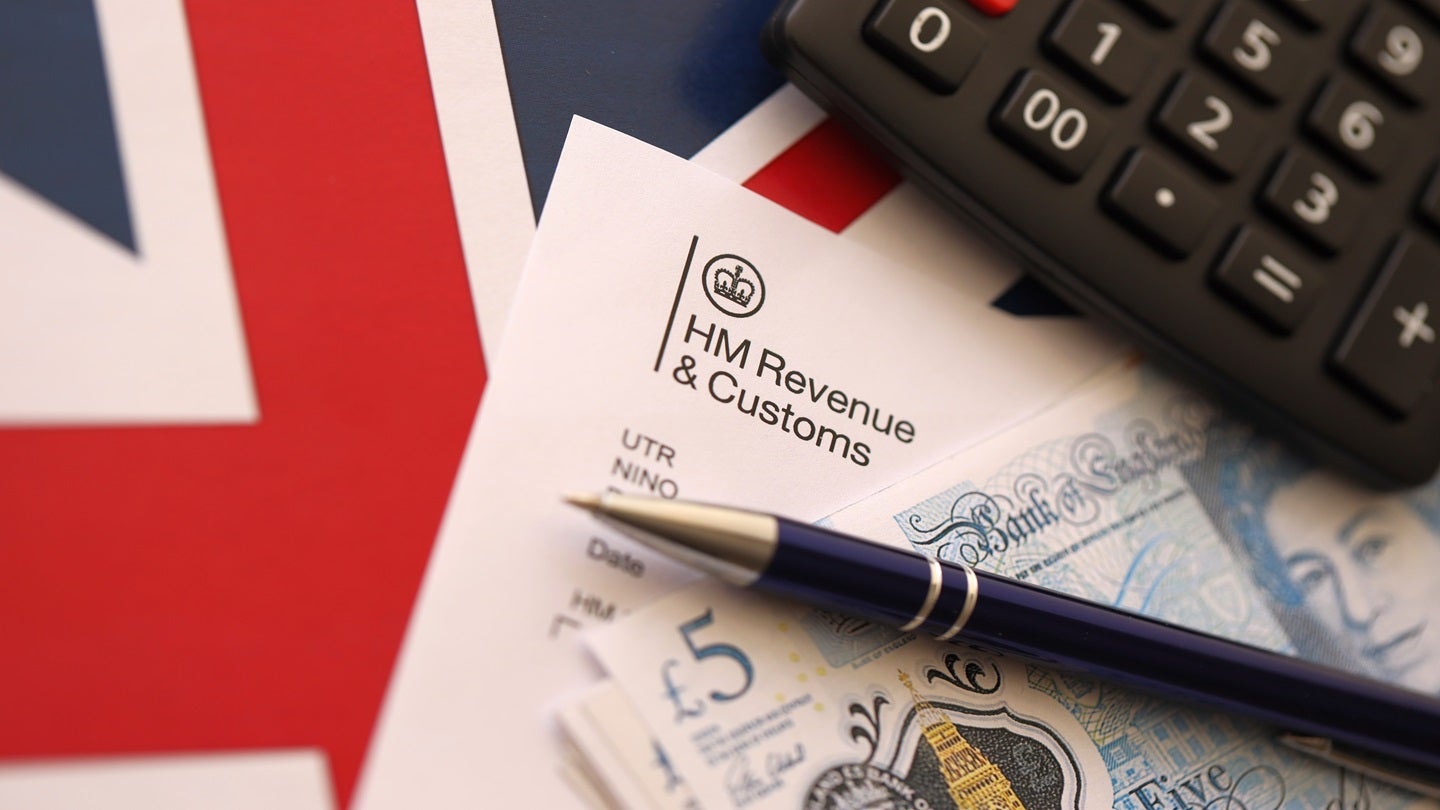
The Institute of Chartered Accountants in England and Wales (ICAEW) has warned that the government’s new reporting proposals for close companies will create unnecessary red tape for compliant businesses without effectively tackling tax evasion.
Under a consultation issued in March 2026, the government invited views on plans that would require close companies to file details of transactions with participators to HM Revenue & Customs (HMRC), arguing that this is needed to tackle “error and evasion” and reduce the small business tax gap.
Go deeper with GlobalData


Access deeper industry intelligence
Experience unmatched clarity with a single platform that combines unique data, AI, and human expertise.
Close companies are those under the control of five or fewer participators, or of any number of participators who also serve as directors.
In its response, the ICAEW said the measures would create a “disproportionate administrative burden” for law-abiding businesses, while doing little, if anything, to address the tax gap.
The institute links the proposals to a wider shift towards large-scale data collection by HMRC.
It accepts that some extra information may help with compliance work but questions whether HMRC has the capacity to use the volume of data that would be generated.
It warns that businesses could face significant costs compiling returns that HMRC cannot fully exploit.
The institute argues that a credible risk of enquiry, backed by targeted and proportionate compliance activity by well-trained HMRC staff, is more effective in tackling non-compliance.
It says efforts should focus on high-risk behaviour, not blanket data gathering, and should minimise disruption for compliant companies.
The ICAEW believes focused compliance interventions are more likely to deal with “deliberate non-compliance and the hidden economy” than the proposed reporting rules.
It concludes that the plans run counter to the government’s growth agenda and would impose unreasonable extra demands on businesses, particularly smaller companies.
As it stated in its Autumn Budget 2025 submission, ICAEW reiterates that “doing business in the UK is too uncertain, too difficult and too expensive”.
The ICAEW recently called on the government to tackle existing complexities as it reviews potential changes to the UK’s uncertain tax treatment regime.