
Kenya has enacted changes to its tax laws that exempt capital gains tax (CGT) on certain internal company reorganisations.
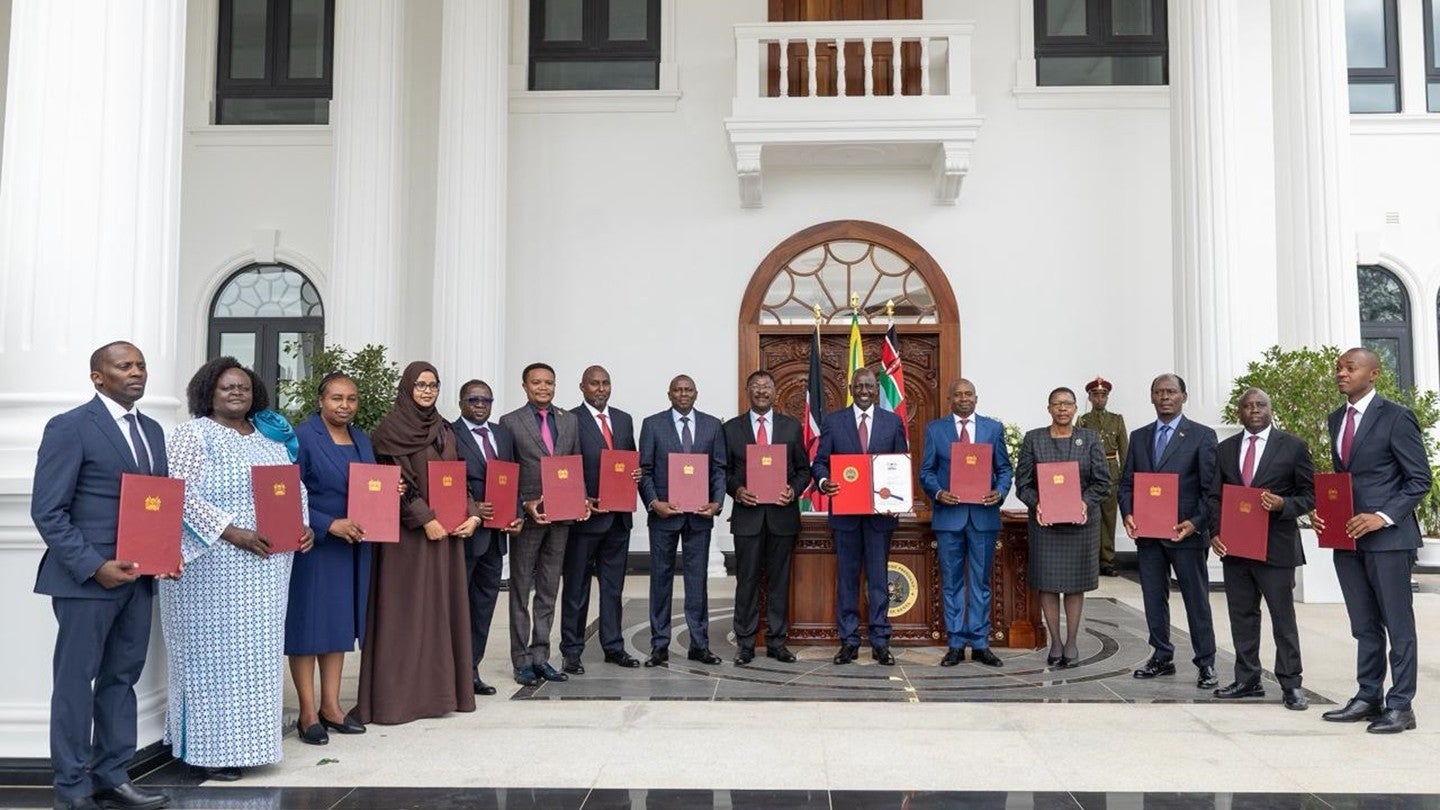
The changes took effect after President William Ruto assented to the Income Tax Act at State House in Nairobi.
Go deeper with GlobalData


Access deeper industry intelligence
Experience unmatched clarity with a single platform that combines unique data, AI, and human expertise.
According to the government, the new Income Tax Act is designed to rationalise how CGT is administered, with the stated goal of aligning Kenya’s system with international practices and established taxation principles.
Under the changes, CGT will not apply to transfers of property carried out as part of internal corporate reorganisations where there is no actual economic gain or no third-party transaction.
The amendment is intended to support smoother business restructurings and promote tax neutrality in such transactions.
It will also “preserve the tax base” by ensuring that taxation occurs only when there is a genuine external realisation of value.
Alongside the Income Tax Bill, President Ruto also signed into law the Special Economic Zones (Amendment) Bill and the Technopolis Bill.
The amended Special Economic Zones Act broadens the definition and scope of Special Economic Zones (SEZs) to cover, among others, oil and gas zones.
It also seeks to standardise the tax incentives granted to companies operating within SEZs.
The Technopolis Act provides a unified legal framework for developing and governing technopolises in the country.
It creates the Technopolis Development Authority as the successor to the Konza Technopolis Development Authority, assigning it responsibility for planning, developing and managing technopolises across Kenya.
Through these laws, the government aims to draw international investment, skilled labour and technological innovation, and support Kenya’s efforts to position itself as a knowledge-based digital economy.